AI for Parents
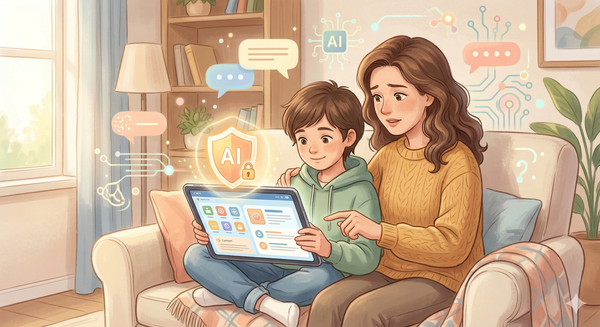
8 in 10 American Parents Want AI Guardrails for Kids.
A new bipartisan poll shows overwhelming support for AI guardrails to protect children. Here’s what parents need to know right now.
AI for Parents
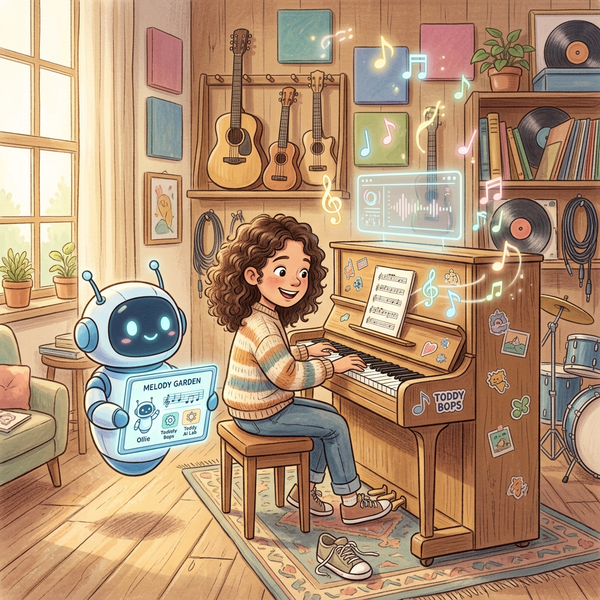
In a world where AI can create music instantly, why should kids learn it? Because music education builds the exact human skills AI can’t replace.
AI for Parents
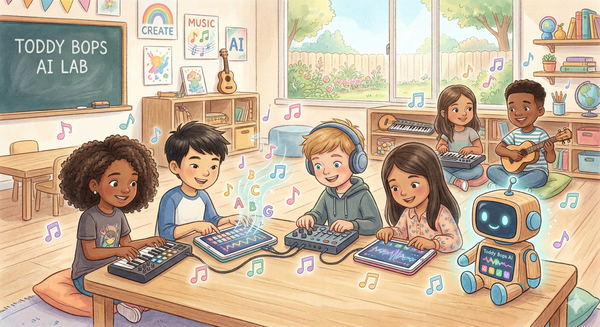
Apple CEO Tim Cook just made a powerful statement about AI, kids, and creativity — and it’s something every parent needs to hear right now.

AI for Parents
Parenting today comes with an overwhelming mental load. From schedules to homework to school emails, AI can act as a 24/7 parenting assistant that helps families stay organized and sane.
A new bipartisan poll shows overwhelming support for AI guardrails to protect children. Here’s what parents need to know right now.
In a world where AI can create music instantly, why should kids learn it? Because music education builds the exact human skills AI can’t replace.
Apple CEO Tim Cook just made a powerful statement about AI, kids, and creativity — and it’s something every parent needs to hear right now.
Parenting today comes with an overwhelming mental load. From schedules to homework to school emails, AI can act as a 24/7 parenting assistant that helps families stay organized and sane.

AI companion apps are rapidly becoming a hidden part of teenage life. Here’s what they are, what the research shows, and how parents should respond.

The most important skill children need in the age of AI isn’t learning how to use the tools — it’s learning how to direct them. The Orchestrator Mindset is the framework that separates passive users from future leaders.
A parent-first learning hub for raising creative, confident kids in the age of artificial intelligence.

Teenagers are adopting AI faster than parents understand it. Bridging the AI divide inside your family may be one of the most important conversations you have.
AI companion apps are rapidly becoming a hidden part of teenage life. Here’s what they are, what the research shows, and how parents should respond.
The most important skill children need in the age of AI isn’t learning how to use the tools — it’s learning how to direct them. The Orchestrator Mindset is the framework that separates passive users from future leaders.

Wondering when kids should start using AI? This stage-by-stage guide explains what’s actually appropriate at ages 5, 8, 12, and 15 — including what tools help learning and what habits to avoid.

AI homework help isn’t just about cheating. It’s about something quieter — the gradual erosion of your child’s ability to struggle, think, and begin on their own. Here’s how the Answer Trap works — and how to stop it before it becomes a habit.
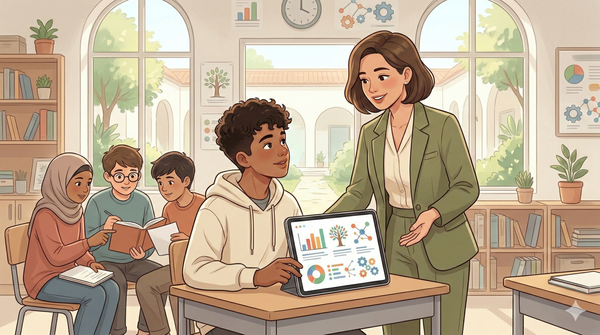
AI isn’t replacing teachers — it’s reshaping how they teach. Discover what AI-integrated classrooms really look like and what it means for your child at school and at home.

AI literacy is moving from optional to essential. Discover how high school students can now earn industry-recognized AI credentials, certifications, and dual-enrollment credits before graduation.

AI literacy isn’t one skill — it’s a progression. Discover the 5 levels every child naturally moves through as they grow from curious user to confident AI orchestrator.

AI can support homework — or shortcut it. Discover 5 free tools that guide thinking, strengthen reasoning, and protect your child from over-dependence.
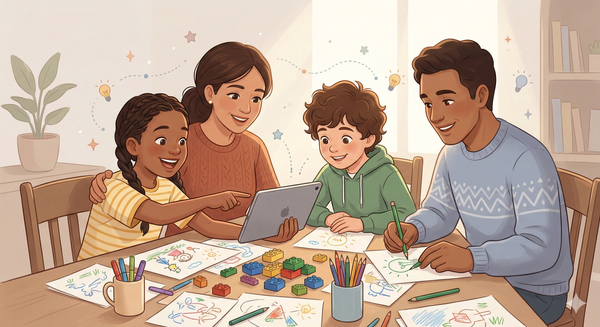
Turn AI into family time. Discover 7 free tools that spark creativity, critical thinking, and collaborative weekend projects — without pressure or overwhelm.

Before downloading the latest AI learning app, protect your child’s privacy and thinking. Here are five tools and strategies that safeguard before they teach.

The White House has launched the Presidential AI Challenge for K-12 students. Here’s what it means, why it matters, and how parents can help their child get involved.