AI Safety for Kids: What Parents Need to Know (Without the Fear)
A calm, practical guide to AI safety for kids—without fear or overwhelm. Learn how to protect your child’s privacy, set healthy guardrails, and turn AI into a creative learning tool instead of a risk.

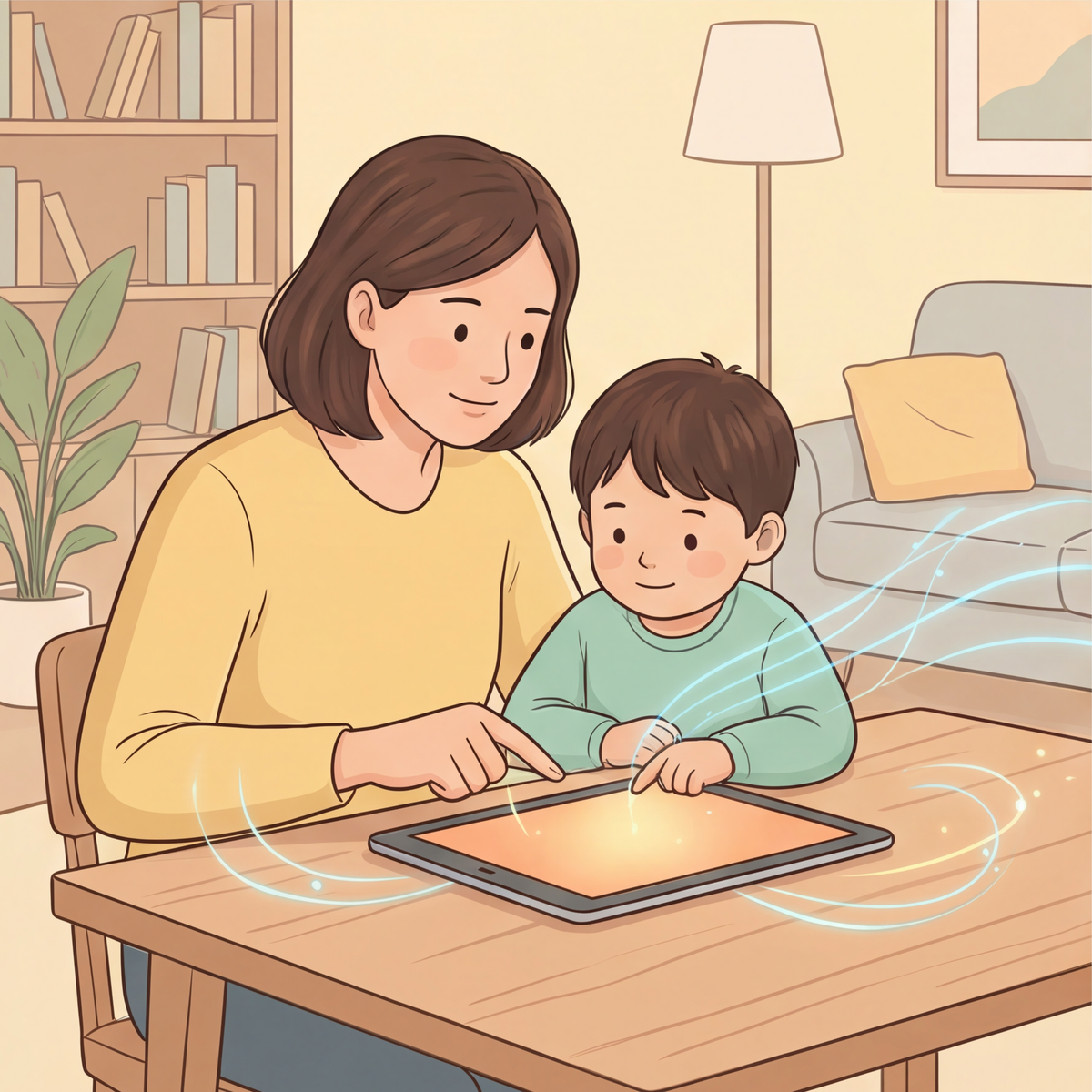
If you feel like the world changed overnight, you aren’t alone. As artificial intelligence moves from the office to the playroom, many parents feel caught between wanting their kids to have an edge and wanting to protect them from the "Wild West" of the internet.
The good news? You don’t have to be a tech genius to keep your child safe in the age of AI. At Toddy Bops AI, we believe that safety comes from education, not just restriction. Here is the practical, fear-free guide to navigating AI safety with your family.
1. Understanding the "Robot" Brain
The first step in safety is understanding what AI actually is. Tools like ChatGPT are "Large Language Models"—they are essentially super-powered autocomplete machines.
What parents should know:
- It’s not a person: Remind your child that even if the AI sounds friendly, it doesn't have feelings or a conscience.
- It can be wrong: AI can "hallucinate" or state incorrect facts with complete confidence. Teaching your child to fact-check the AI is a brilliant way to build critical thinking.
2. The Golden Rules of AI Privacy
Privacy is the biggest concern for most families. Just like you taught your child not to talk to strangers in the park, you must teach them how to guard their "Digital Identity".
The "Never Share" List:
- Full Names: Encourage your child to use a "CEO Nickname" or an avatar name.
- Location: Never tell an AI your school name, home address, or city.
- Personal Photos: Avoid uploading photos of faces to AI tools unless they are specifically designed for privacy-first image editing.
3. Setting Up Safe "Guardrails"
You don’t have to leave the doors wide open. Most major AI tools now offer settings to keep the experience kid-friendly.
- Turn Off Training: In ChatGPT settings, you can turn off "Chat History & Training." This ensures your child’s conversations aren't used to train the AI's future models.
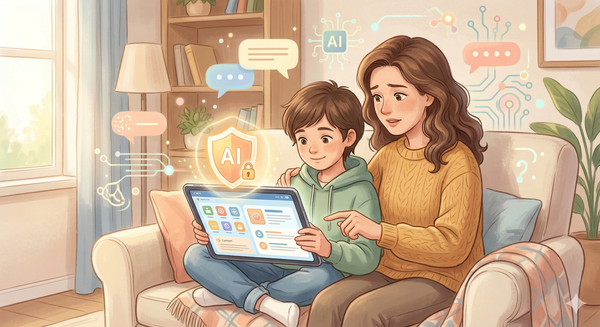
- Shared Accounts: For kids under 13, we recommend using a shared family account. This allows you to review the chat history together at the end of the day.
- Use Structured Tools: This is why we created Toddy Bops Prompt Packs. Instead of letting a child roam a blank AI screen, our packs provide a "safe path" to follow, keeping the conversation focused on creativity and learning.
4. From "Police" to "Pilot"
The most effective safety tool isn't software—it’s you. Instead of acting like the "AI Police," try being your child’s "Co-Pilot".
- Ask to See Their Work: "Hey, what did Coach Chip help you with today?".
- Discuss the Ethics: Talk about why it’s important to use AI to help with ideas, but not to cheat on homework.
- Set "Power-Down" Times: AI is exciting, but it shouldn't replace physical play, music, or family time.
The Bottom Line
AI safety isn't about building a wall around your child; it's about giving them a compass. When we teach kids how to use these tools responsibly, we aren't just protecting them—we are preparing them to lead.