AI Screen Time vs. Brain Rot: How Parents Can Tell the Difference
Not all screen time is harmful. The real danger is “brain rot” — low-value content that requires no thinking. Learn how parents can tell the difference between passive scrolling and healthy, creative AI screen time.

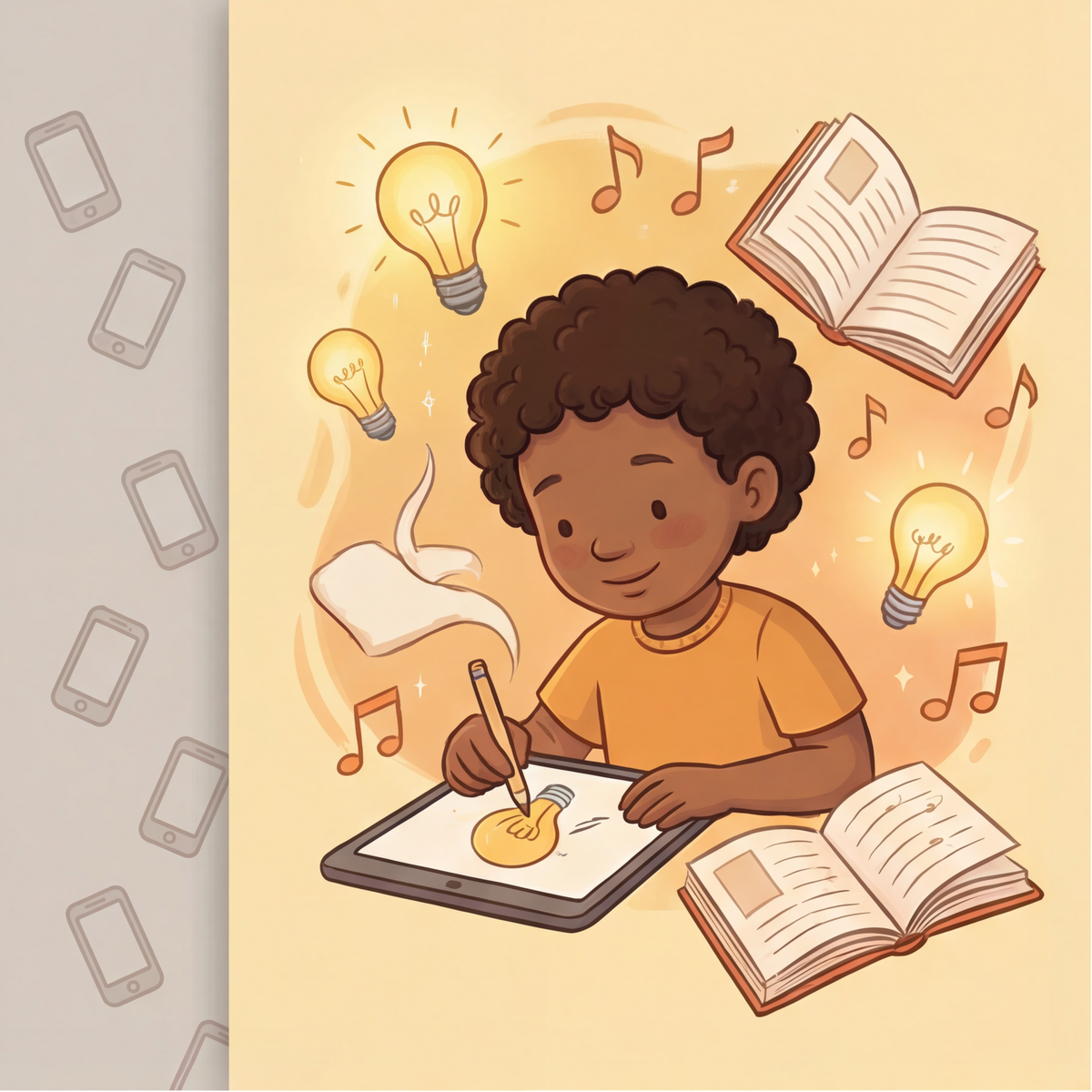
Not all screen time is created equal.
Parents today are constantly warned about “too much screen time,” yet rarely given clarity on what actually matters. The real concern isn’t screens — it’s brain rot: low-value, repetitive content that requires no thinking, no creativity, and no engagement.
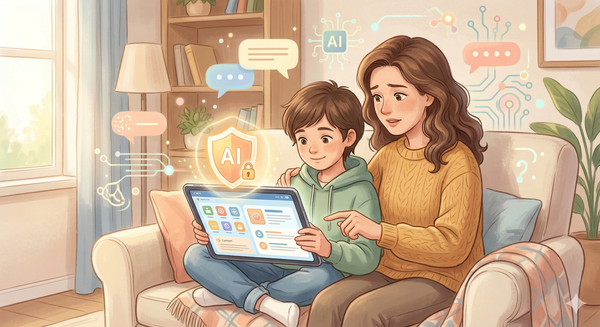
Artificial intelligence introduces a powerful shift. When used intentionally, AI transforms screen time from passive consumption into active creation.
Here’s how parents can tell the difference.
1. What “Brain Rot” Screen Time Looks Like
Brain rot isn’t about minutes on a device — it’s about mental disengagement.
Common signs include:
- Endless scrolling with no clear goal
- Watching short videos that repeat the same jokes, sounds, or trends
- Little to no recall of what was watched
- Irritability or restlessness when the screen is removed
This kind of screen time asks nothing of a child’s mind — and gives nothing back.
2. What Healthy AI Screen Time Looks Like
AI-based screen time is fundamentally different because it requires participation.
Healthy AI use involves:
- Giving instructions (prompts)
- Making creative decisions
- Revising ideas when results aren’t right
- Asking “what if?” and trying again
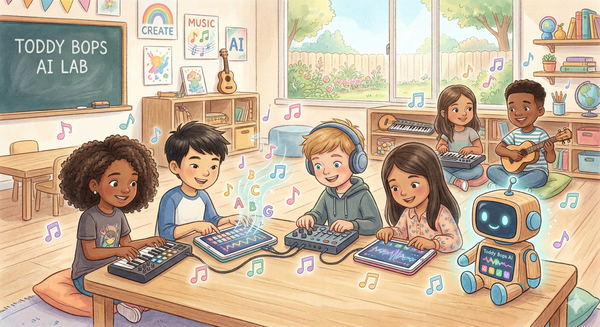
Instead of zoning out, children are thinking, directing, and creating.
In other words, AI turns kids from viewers into builders.
3. The Key Question Parents Should Ask
Instead of asking:
“How long were you on the screen?”
Try asking:
“What did you create?”
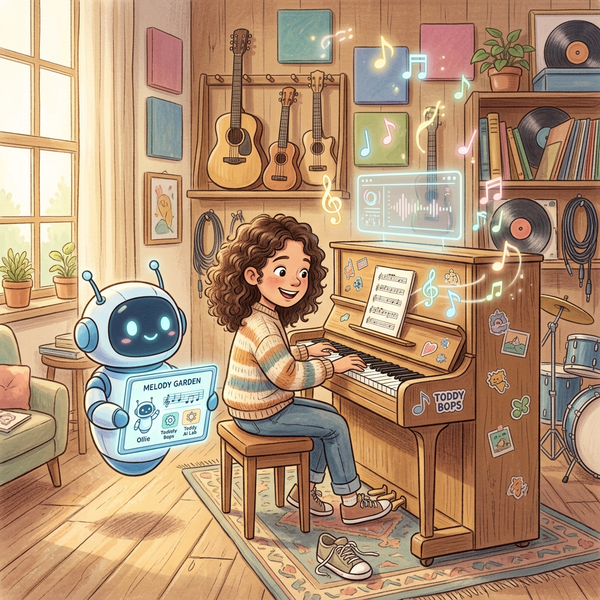
If your child can explain a story they wrote, a character they designed, or a song they imagined — that screen time was productive.
If they can’t remember anything at all — that’s your signal.
4. How to Shift From Consumption to Creation
Parents don’t need to become tech experts to guide this shift.
Start with structure:
- Give your child a goal before screen time begins
- Encourage projects instead of browsing
- Use guided prompts instead of blank screens
This is exactly why Toddy Bops AI focuses on structured creative tools — to help families replace scrolling with skill-building.
Final Thoughts
The future isn’t screen-free — it’s intentional.
When parents learn to recognize the difference between brain rot and creative screen time, technology becomes an ally instead of a threat.
The goal isn’t to eliminate screens.
The goal is to raise thinkers, creators, and confident problem-solvers.