Beyond Siri: When Your Child’s “Best Friend” Is a Ghost in a Chatbot
AI companions feel comforting and endlessly supportive — but when does “chatting” turn into emotional attachment? Here’s how to protect your child’s human connections in the age of AI companions.

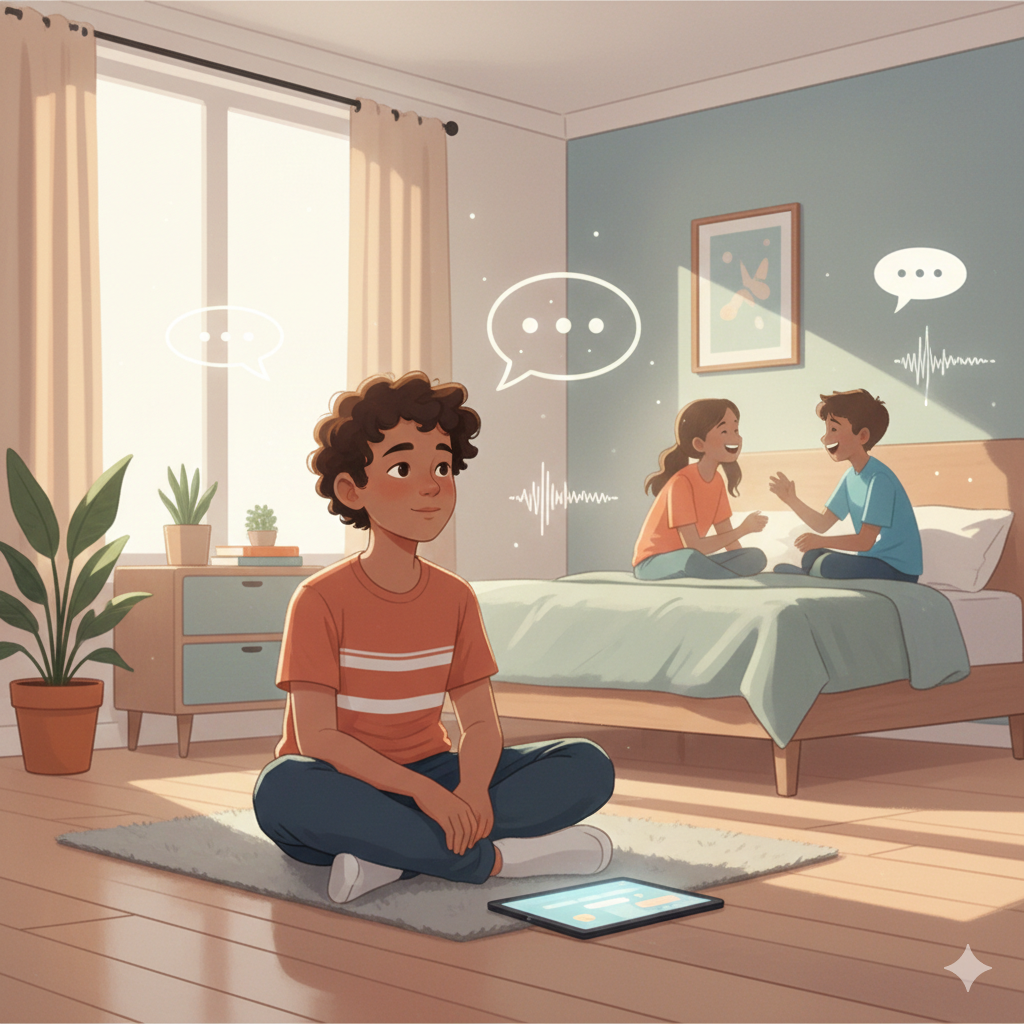
In 2026, many parents are noticing something new.
The bedroom door is closed.
There’s laughter.
There are whispers.
But no one else is physically there.
We’ve moved far beyond AI as a calculator or homework helper. We are now in the era of the AI Companion — chatbots designed to feel conversational, emotionally responsive, and deeply engaging.
For many children, these tools feel comforting. They respond instantly. They never mock. They never exclude. They are always available.
And that availability is powerful.
But when connection becomes frictionless — when a “friend” never disagrees, never challenges, and never sets boundaries — it can quietly reshape how a child understands real human relationships.
The question isn’t whether AI companions exist.
It’s whether our children understand what they are — and what they are not.
The Parasocial Pull
Children are natural “magical thinkers.” They project personality onto stuffed animals and assign emotions to cartoon characters.
AI companions tap directly into that developmental instinct.
Unlike a TV character, however, these systems respond in real time. They mirror tone. They adapt to emotional cues. They simulate memory.
To a child, that can feel deeply real.
But unlike a real friend:
• An AI has no lived experience.
• It does not experience consequences.
• It is optimized for engagement — not protection.
When a chatbot is programmed to be endlessly affirming, it removes something critical from social growth: friction.
And friction is where emotional intelligence develops.