Is ChatGPT Safe for Kids? A Parent’s Honest Guide
ChatGPT isn’t inherently dangerous — but it isn’t harmless either. Here’s what every parent should understand before letting their child use AI tools.

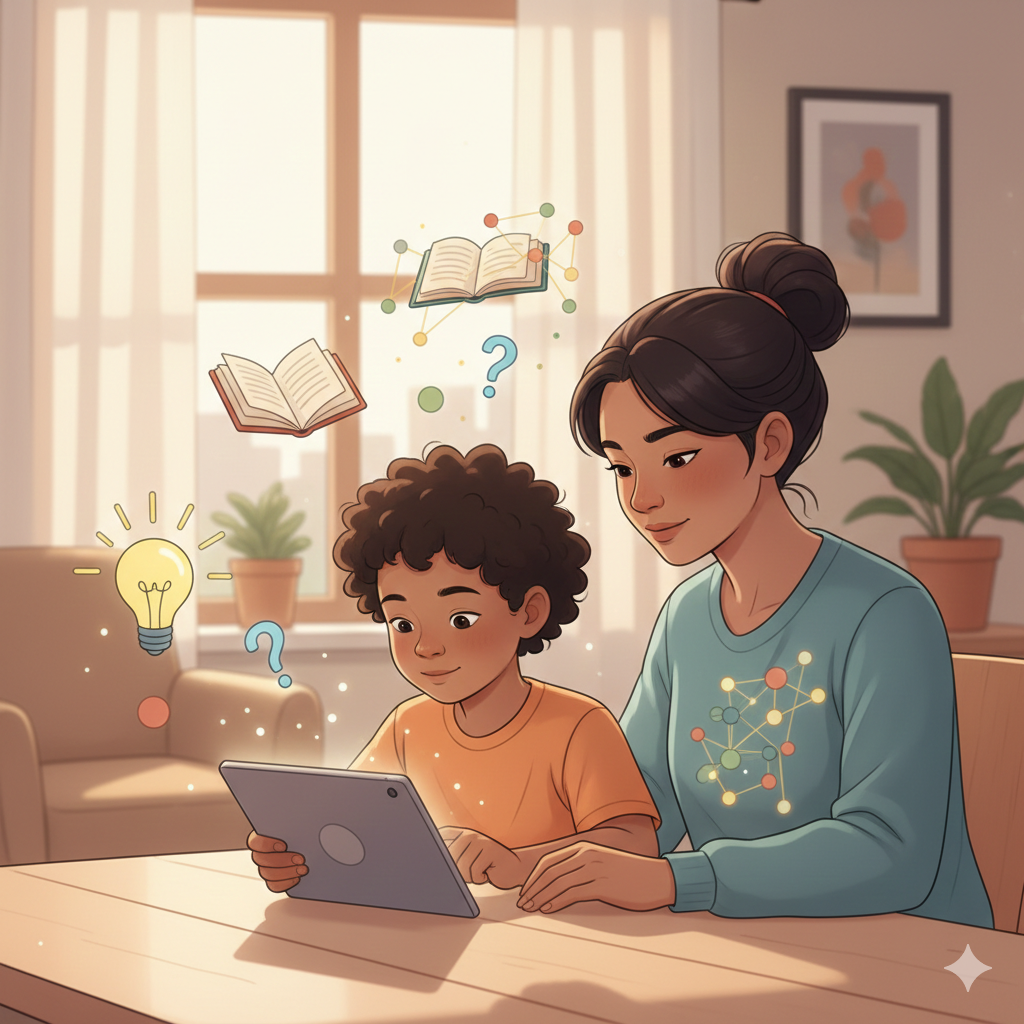
If you’ve ever caught your child typing questions into ChatGPT, you’ve probably had the same thought:
Is this safe?
It’s a fair question. Artificial intelligence is no longer experimental. It’s embedded in homework tools, writing apps, search engines, and even classroom platforms. Avoiding it completely may not be realistic. But using it blindly isn’t wise either.
So let’s answer the question honestly.
Is ChatGPT safe for kids?
The short answer:
It depends on how it’s used.
What ChatGPT Actually Is (And Isn’t)
ChatGPT is a large language model trained to generate human-like responses based on patterns in data. It can explain math problems, write stories, brainstorm ideas, and answer questions.
But it is not:
• A teacher
• A therapist
• A friend
• An authority
It is a tool.
And like any tool, safety depends on supervision, boundaries, and understanding.
The Real Risks Parents Should Understand
Let’s separate fear from facts.
1. Inaccurate Information
ChatGPT can sound confident even when it’s wrong. Children may not yet have the critical thinking skills to question responses.
This makes supervision important.
2. Privacy & Data Sharing
Children should never enter:
• Full names
• School names
• Home addresses
• Phone numbers
• Personal family details
AI models learn from interaction patterns. Teaching kids to treat AI like a “helpful stranger” is a simple, effective rule.
3. Emotional Attachment
AI is designed to be agreeable. For younger children especially, this can create confusion about relationships.
ChatGPT should never replace real-world conversation, guidance, or emotional support.
4. Overreliance
If a child uses AI to answer every homework question without thinking, they aren’t learning — they’re outsourcing.
AI should assist thinking, not replace it.
When ChatGPT Can Be Beneficial
Used properly, ChatGPT can:
• Help brainstorm creative story ideas
• Explain difficult concepts in simpler terms
• Generate practice math problems
• Encourage curiosity
• Support children who struggle with writing structure
The difference between harmful and helpful often comes down to one factor:
Adult involvement.
Age Matters
ChatGPT is not officially designed for children under 13 without parental supervision.
For younger children:
• Use it together
• Keep sessions short
• Focus on creativity over answers
For older kids:
• Teach verification habits
• Encourage editing AI responses
• Make “spot the mistake” a game
The Toddy Bops Rule: Co-Pilot, Not Autopilot
Instead of banning AI tools or handing them over freely, aim for something in between.
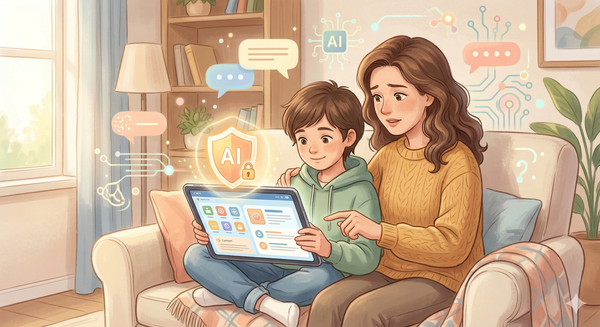
Be the co-pilot.
Sit nearby. Ask questions. Review responses together.
Turn AI use into:
• A conversation
• A thinking exercise
• A creativity tool
Not a private shortcut.
A Simple Parent Checklist
Before allowing your child to use ChatGPT, ask:
✔ Do they understand not to share personal details?
✔ Are privacy settings reviewed?
✔ Do they know AI can be wrong?
✔ Are you available for questions?
✔ Is this supporting learning, not replacing it?
If the answer is yes, you’re on solid ground.
The Bigger Picture
AI is not going away.
The real risk isn’t exposure — it’s passivity.
Children who learn how to question, direct, and refine AI tools will develop stronger cognitive habits than those who simply scroll or copy answers.
The goal isn’t to fear AI.
It’s to teach children how to think around it.
And that starts with calm, informed parenting.