Learning Through Play: Why Fun Is the Fastest Way Kids Learn in the AI Age
Play isn’t a break from learning—it’s how the brain learns best. Discover why play-based learning is essential for kids growing up in the age of AI.

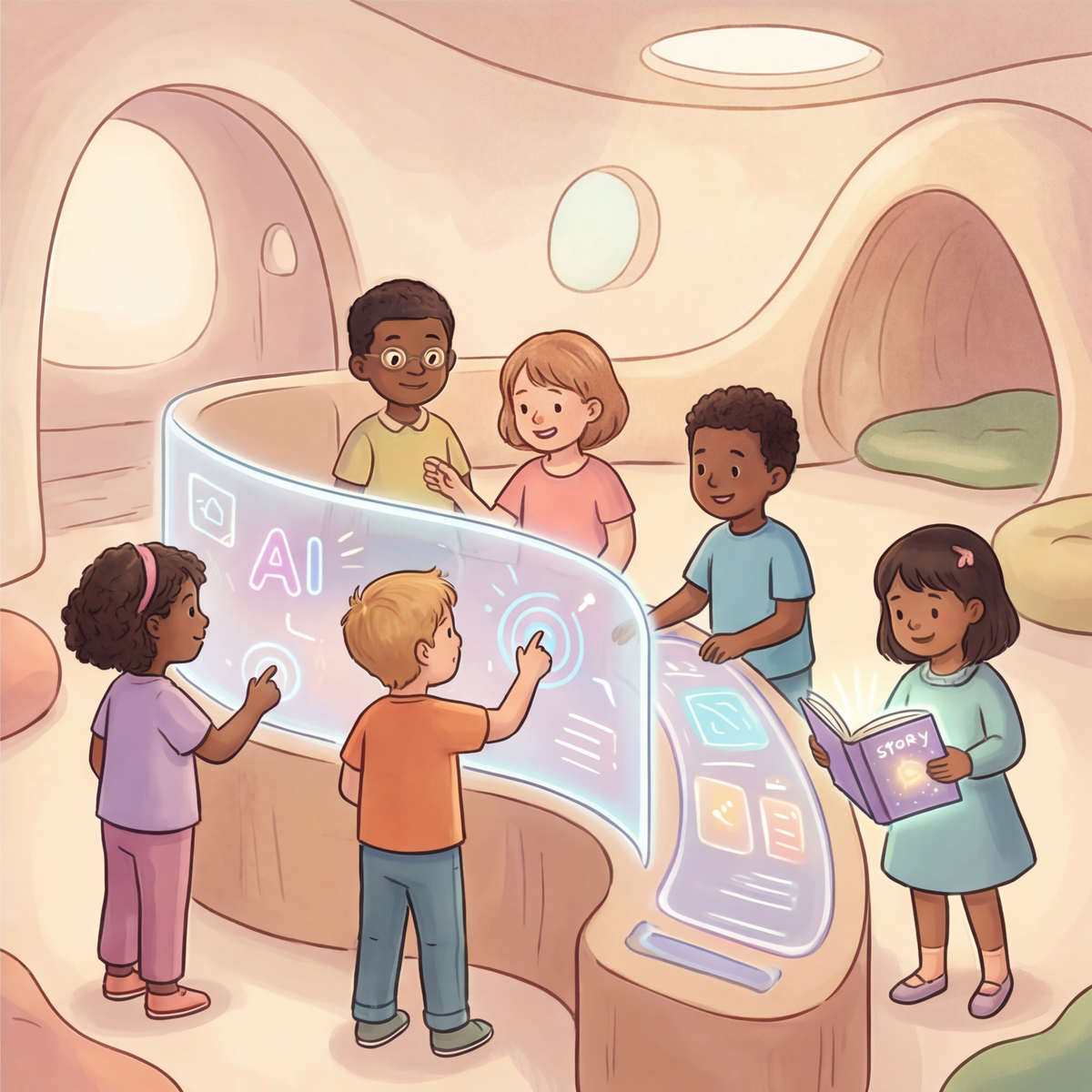
For many parents, “play” still sounds like a break from learning—something kids do after the important work is finished.
But neuroscience, child development research, and now artificial intelligence all agree on one thing:
Play isn’t the opposite of learning. It’s the engine of it.
In the age of AI, where information is instant and answers are everywhere, the most valuable learning doesn’t come from memorization. It comes from exploration, experimentation, and imagination—and that’s exactly what play is designed to do.
1. Play Is How the Brain Learns Best
When children play, their brains are doing far more than “having fun.”
Play activates:
- Pattern recognition
- Cause-and-effect reasoning
- Emotional regulation
- Creative problem-solving
Unlike worksheets or passive videos, play-based learning keeps kids engaged because it feels meaningful to them. The brain releases dopamine during playful activity, which strengthens memory and increases motivation to keep learning.
In simple terms:
Kids learn more when they’re enjoying the process.
2. AI Changes What Kids Need to Learn—Not How They Learn
AI can already:
- Answer factual questions
- Generate explanations
- Solve complex problems instantly
What it can’t do is replace human curiosity.
That’s why learning through play matters more than ever. Play teaches children how to:
- Ask better questions
- Experiment without fear of failure
- Adjust when something doesn’t work
- Stay curious instead of giving up
These are the exact skills kids need to work with AI instead of being replaced by it.
3. Play Turns Screen Time Into Creation Time
Not all screen time is equal.
Passive consumption—endless scrolling, autoplay videos, repetitive games—creates “brain fatigue” without growth.
Play-based learning flips the script by making kids active participants.
Examples of play-powered learning:
- Creating a story instead of watching one
- Designing a character instead of consuming content
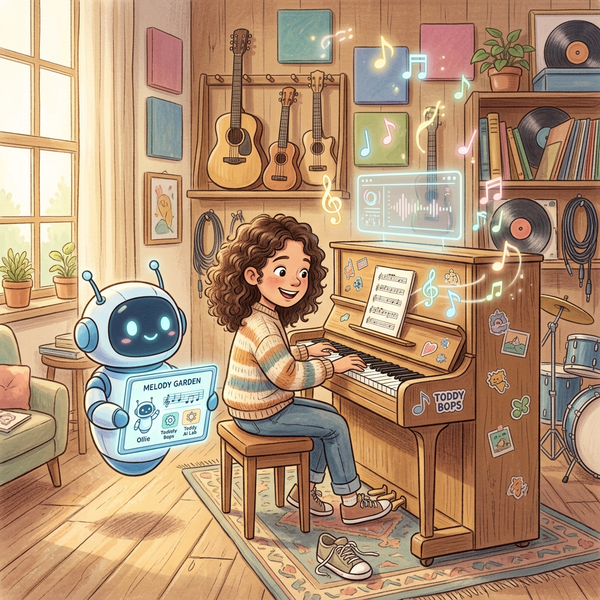
- Writing a song instead of just listening
- Giving AI instructions instead of letting it entertain them
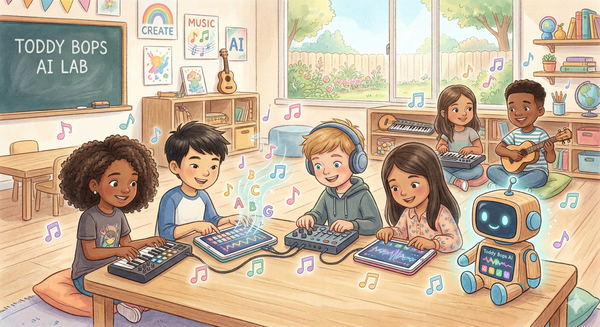
This is why Toddy Bops™ focuses on guided creativity, not free roaming screens. Structure + play = learning that sticks.
4. Why Play Builds Confidence (Not Just Skills)
Play gives children something traditional education often misses: agency.
When kids play, they’re in control:
- They make decisions
- They see the outcome of their choices
- They learn that mistakes aren’t failures—they’re feedback
This builds:
- Confidence
- Emotional resilience
- A healthy relationship with learning
Children who learn through play don’t just memorize answers—they trust themselves to figure things out.
5. Preparing Kids for a Future We Can’t Predict
Many of the jobs today’s kids will have don’t exist yet.
That means we can’t train them for specific roles—we have to train them for adaptability.
Play teaches adaptability naturally:
- Rules change
- New ideas emerge
- Problems evolve
- Solutions aren’t always obvious
AI will continue to advance, but the children who thrive will be the ones who know how to explore, imagine, and experiment confidently.
Final Thoughts: Let Learning Feel Like Play Again
Play isn’t something kids grow out of—it’s something education forgot.
In the AI age, the most powerful learning environments are the ones where children feel safe to explore, curious enough to ask questions, and excited to create.
When learning feels like play, kids don’t just keep up with the future—they help shape it.