The "Big 5" AI Rules: Protecting Your Child’s Digital Identity Without Helicoptering
In 2026, protecting a child’s digital identity means more than limiting screen time. Learn the five essential AI rules that help kids explore safely while keeping their privacy intact.

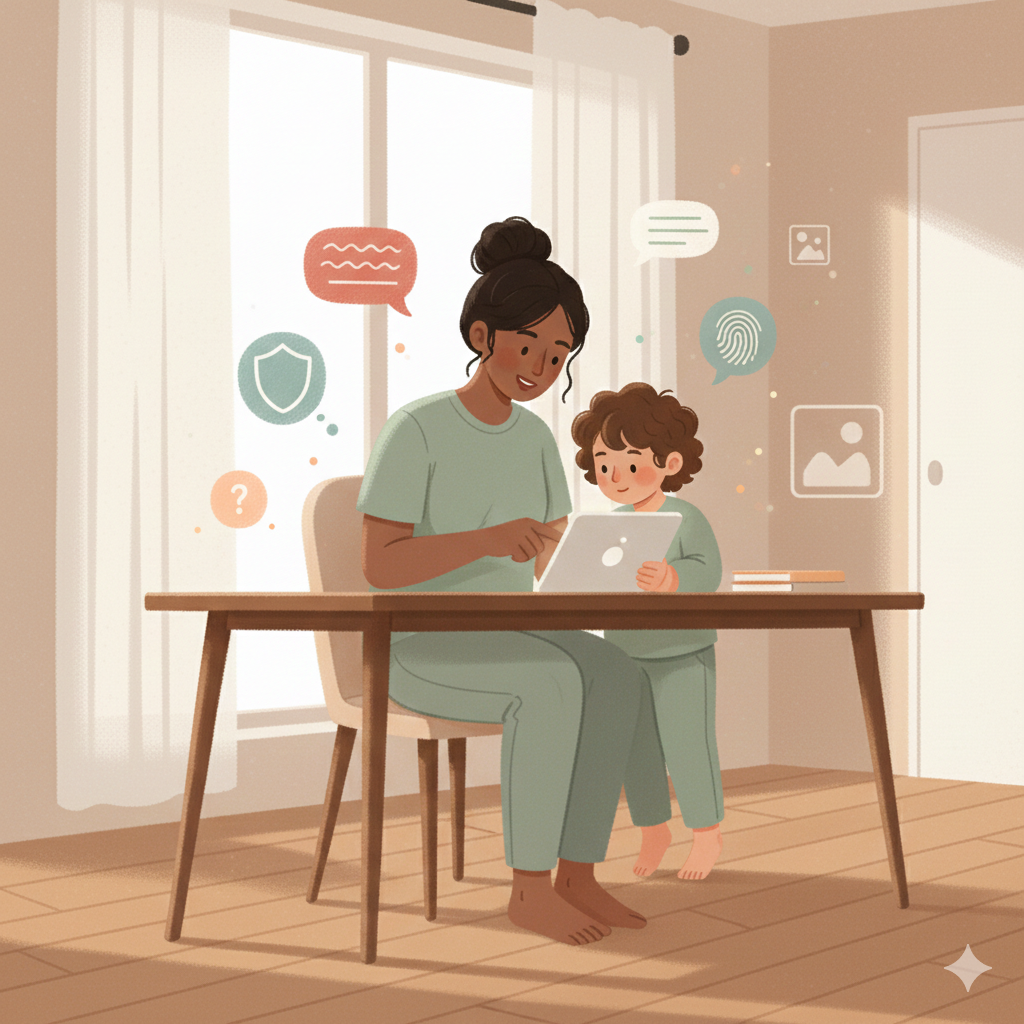
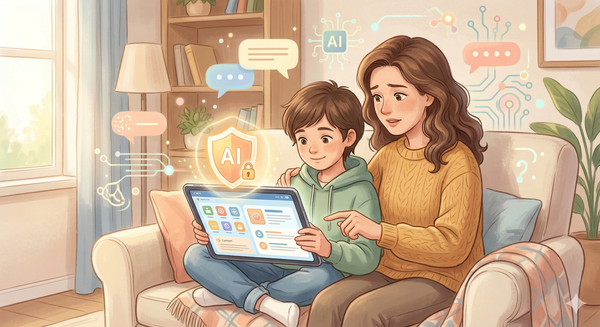
In 2026, our children’s "digital footprint" has been replaced by a "digital identity." Every time a child interacts with an AI, they aren't just clicking a link; they are potentially sharing their voice patterns, facial geometry, and even their emotional habits.
Protecting them doesn't mean banning the tech—it means teaching them the "Big 5" AI Rules. These are the non-negotiable boundaries that keep kids safe while allowing them to explore the Toddy Bops AI Lab and beyond.
1. The "No Real Names" Protocol
AI models learn from everything we feed them. Teach your child that an AI is a "helpful stranger." They can talk to it about dinosaurs or space, but they should never share:
- Their full name or school.
- Their home address or phone number.
- Specific details about their daily routine. The Rule: Use a "Codename" or a nickname whenever prompting.
2. Voice & Biometric Privacy
The rise of "voice cloning" is a major 2026 concern. Modern privacy laws (like the updated COPPA and state-level Age-Appropriate Design Codes) now treat your child's voice and face as "sensitive data". The Rule: Avoid using "voice-to-text" or camera-based AI features in public spaces or on unverified "free" apps that don't have a clear Kids Privacy Shield.
3. Spotting "AImaginary" Friends
One of the most dominant safety challenges in 2026 is the growth of emotional relationships with AI bots. AI is designed to be "always agreeable," which can create a false blueprint for real-world friendships. The Rule: AI is a tool, not a friend. If a child starts turning to an AI for advice on feelings or worries instead of a trusted adult, it’s time to take a break.
4. The "Deepfake" Gut Check
By 2026, deepfakes have become incredibly realistic. We must teach our children to be "Digital Detectives." The Rule: If an image or video feels "strange"—unnatural shadows, mismatched voices, or distorted backgrounds—assume it’s AI-generated until proven otherwise. Always check the source before believing or sharing.
5. The "Privacy First" Settings Hack
As a parent, you have more power than you think. 2026 regulations now mandate "Default High Privacy" settings for minors in many regions. The Rule: Before letting your child use a new tool, spend 5 minutes in the Settings. Look for "Data Training" toggles and turn them OFF. This ensures your child’s interactions aren't used to train the next version of the model.
Parental Pro-Tip: The "Family Media Plan"
The most effective safety tool isn't an app—it's a conversation. At Toddy Bops AI, we recommend a "Family Media Plan" where kids help set their own limits. When children feel like they are part of the "security team," they are much more likely to respect the boundaries.