The New STEM: Why Data, Judgment, and AI Literacy Are Replacing “Learn to Code”
The “learn to code” era is evolving. Discover how AI is reshaping STEM education — and why data literacy, judgment, and interdisciplinary thinking now matter more than ever.

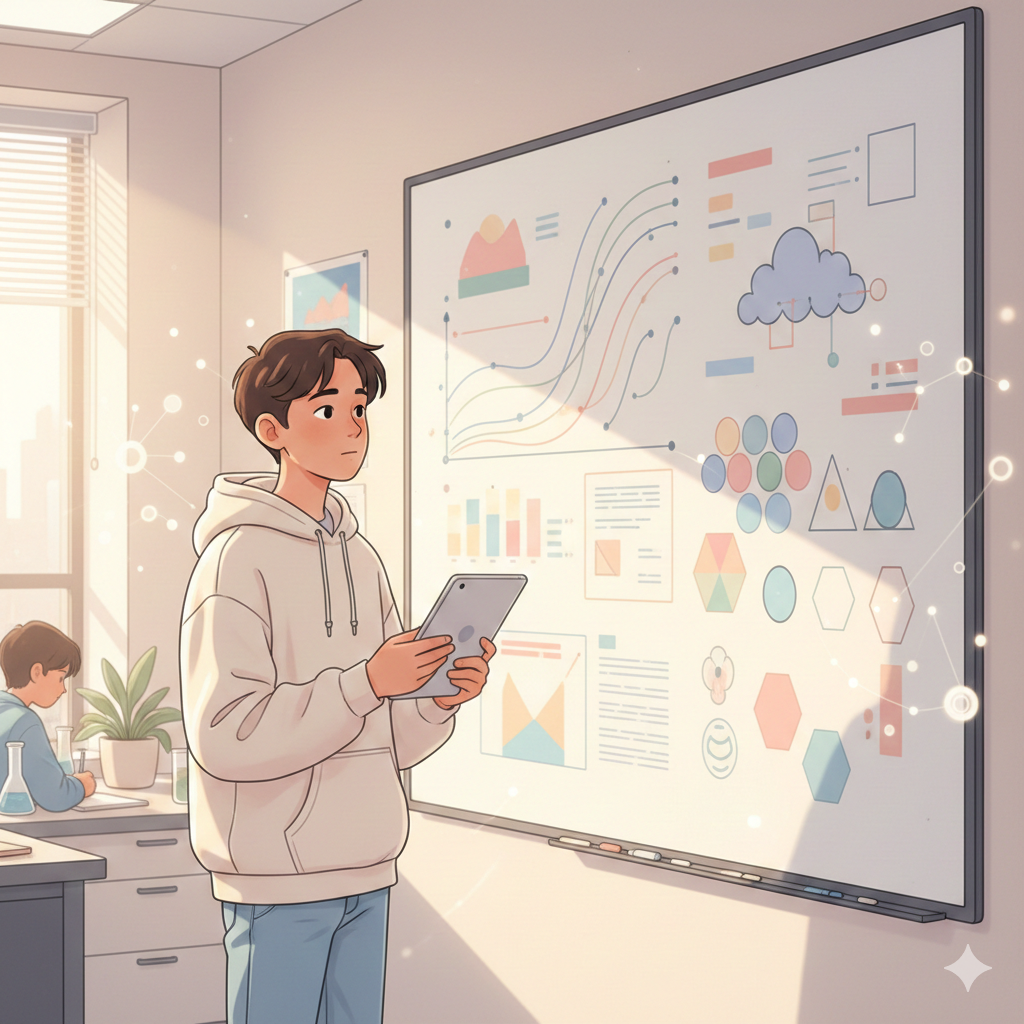
For over a decade, the advice was simple:
Learn to code.
Python was the golden ticket.
Computer science was the safe bet.
Tech meant stability.
But something is shifting.
Not because STEM is shrinking.
Because it’s evolving.
And AI is the reason.
The Coding Glow Has Dimmed
Coding isn’t disappearing.
But it’s no longer rare.
AI can now:
• Generate basic code
• Debug simple programs
• Build prototypes in minutes
That changes how students think about value.
When execution becomes automated, direction becomes premium.
So high school STEM pathways are quietly adjusting.
Students are gravitating toward:
• Data science
• Statistics
• Systems analysis
• AI literacy
• Interdisciplinary STEM fields
Not because coding is useless.
But because it’s no longer the frontier.
From Builder to Interpreter
There was a time when knowing how to build the tool made you powerful.
Now, knowing how to interpret what the tool produces may matter more.
The new competitive edge isn’t:
“Can you write this code?”
It’s:
“Can you detect bias?”
“Can you question outputs?”
“Can you apply results responsibly?”
“Can you connect insights across disciplines?”
That’s a different kind of STEM.
Why Statistics Is Surging
In an AI-driven world, data becomes language.
Students are realizing that:
If AI is generating answers,
Someone must understand what those answers mean.
Statistics, probability, and data literacy are no longer side skills.
They’re core skills.
Because AI runs on patterns.
And patterns require interpretation.
What This Means for Parents
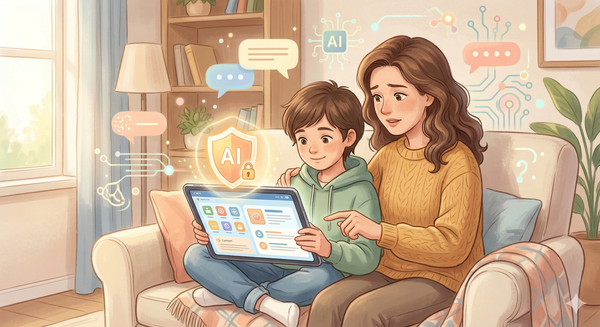
This shift can feel confusing.
Do you still encourage computer science?
Yes.
But you also encourage:
• Critical thinking
• Communication
• Ethical reasoning
• Real-world problem solving
• Cross-disciplinary curiosity
The most resilient future careers will sit at intersections:
Biology + AI
Finance + Data
Design + Machine Learning
Healthcare + Analytics
It’s no longer one lane.
It’s a network.
The Hidden Opportunity
AI has lowered the barrier to entry.
Students who once felt “not technical enough” can now:
• Build simulations
• Analyze data
• Create prototypes
• Model systems
With AI assistance.
That means access expands.
But expectations rise.
Because now the differentiator is not technical memorization.
It’s strategic application.
The New Definition of STEM Fluency
The future STEM student will need to:
• Understand how AI works at a high level
• Recognize its blind spots
• Integrate it into domain knowledge
• Stay adaptable
This is why many educators are reframing STEM as:
Technology + Interpretation + Ethics.
Not just technology alone.
A Calm Reality Check
This isn’t the end of STEM.
It’s the expansion of it.
Just as the internet reshaped journalism and business,
AI is reshaping science and engineering.
The students who thrive won’t necessarily be the fastest coders.
They’ll be the most thoughtful integrators.
Where This Connects
If you’re thinking about what this means long-term, start here:
👉 The Ghost in the Cubicle: Why Your Child’s Degree Might Be Obsolete by 2035
Because this STEM shift is part of a bigger economic realignment.