The Silent Co-Parent: 5 Ways AI Is Fighting the Mental Load (And What It’s Quietly Learning About Your Family)
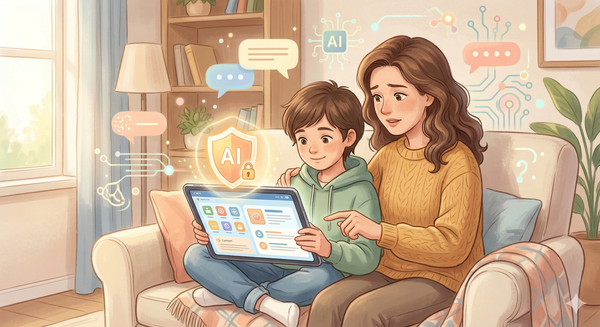
AI is quietly becoming the “Silent Co-Parent” in modern homes — managing meals, schedules, and even sensory environments. But what is it learning about your family in the process?


The “mental load” is the invisible project plan running in every parent’s mind.
Who needs cleats on Thursday.
Which child hates mushrooms.
When the dentist appointment is.
Why bedtime keeps slipping later.
For decades, the solution was: Get organized!
In 2026, many families have found something new — a digital assistant that never forgets.
From AI meal planners to predictive calendars and smart home routines, AI has quietly stepped into the role of a Silent Co-Parent. It reduces burnout. It manages friction. It anticipates chaos.
And in many homes, it works.
But here’s the question thoughtful parents are beginning to ask:
If AI is learning how to manage your family…
what is it learning about your family?
The issue isn’t whether we should use these tools.
The issue is how we use them without compromising what we value most.
The Rise of the “Family OS”
We are moving beyond isolated apps and into what many experts now call a Family Operating System.
Your AI knows:
• When your child sleeps
• When your spouse travels
• What foods trigger meltdowns
• Which evenings are overstimulating
• How your energy dips by Thursday
It can suggest a low-stim activity before dinner.
It can auto-reschedule soccer to prevent burnout.
It can recommend meals based on nutrition patterns.
That level of support feels revolutionary.
But every optimization requires data.
And over time, small data points become detailed patterns.